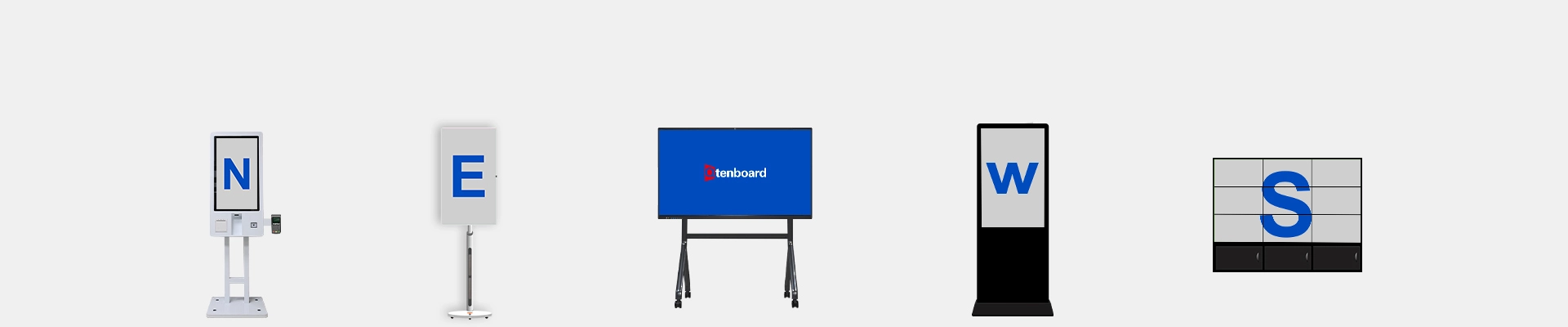
In retail, corporate, educational, and transportation sectors, traditional static posters and printed banners no longer capture audience attention. Audiences expect dynamic, real-time, interactive displays that provide information and engage, influence, and guide behavior. This drives businesses to adopt digital signage systems, using advanced technology to communicate effectively.
Digital signage systems combine hardware, software, content management, and analytics to deliver remote publishing, automatic updates, multimedia playback, data collection, and interactive experiences. With many vendors and varied technologies, choosing the right system can be overwhelming.
This guide explains what digital signage systems are, how they work, their advantages over traditional signage, system components, how to select the right system, best practices, FAQs, and recommended partners.
Digital signage systems are composed of display devices + media players + content management system (CMS) + connectivity and integration + analytics tools. Unlike traditional printed signs, they offer:
| Feature | Traditional Signage | Digital Signage System |
|---|---|---|
| Content | Static printed | Dynamic multimedia |
| Updates | Manual replacement | Remote instant updates |
| Interactivity | None | Touch, sensors, QR |
| Cost | Ongoing printing | Initial investment, lower ongoing |
| Data Integration | None | Real-time feeds and analytics |
| Personalization | None | Audience-targeted content |
| Analytics | None | Viewership and engagement tracking |
Dynamic displays capture attention, increase dwell time, and enhance message retention.
Content can be updated remotely across multiple screens and locations, reducing manual labor and printing costs.
Systems can display time-based promotions, live feeds, and location-specific messages to maximize relevance.
Retail: product guidance, promotions, interactive catalogs. Transportation: wayfinding, alerts, and advertisements.
Upfront hardware investment reduces long-term printing and labor expenses.
Platforms collect data on viewership, interactions, and engagement for content optimization and ROI measurement.
LCD/LED panels, video walls, outdoor high-brightness screens, and interactive kiosks.
External media players offer performance and flexibility; built-in SoC simplifies installation.
Allows template management, scheduling, remote publishing, multi-user and multi-location control.
Supports Wi-Fi/Ethernet, POS integration, IoT sensors, QR/mobile interaction, and external data sources.
Dashboards show viewing stats, interaction, duration, and multi-location performance metrics.
Android: 9.0 / 11.0 / 13.0 / 14.0 / 16.0
Windows: i5 / i7 processors
Supports multi-screen, split-screen, remote control, and real-time updates for retail, office, transport, education, and hospitality environments.
Most systems work best online for remote updates and real-time feeds, but offline playlists are possible.
Costs vary with display size, CMS features, and installation. Basic setups: display + CMS; advanced: sensors, multi-screen networks.
Yes, via APIs showing weather, news, social media, or sales dashboards.
Even a single display with targeted content can boost engagement and information delivery.
Small systems: hours; large multi-screen networks: days to weeks.
Most are user-friendly; basic content updates are simple after minimal training.
Digital signage systems are strategic tools that inform, engage, and influence audiences in real time. Understanding components, selecting appropriate hardware and CMS, and designing effective content unlocks engagement, analytics, and business value.
Qtenboard provides reliable digital signage solutions with Android and Windows configurations, supporting remote management, split-screen display, and interactive capabilities — a trustworthy partner for businesses and institutions.

 UKR
UKR
 EN
EN  RU
RU  ARM
ARM  LAV
LAV  BEL
BEL  EST
EST  AZE
AZE