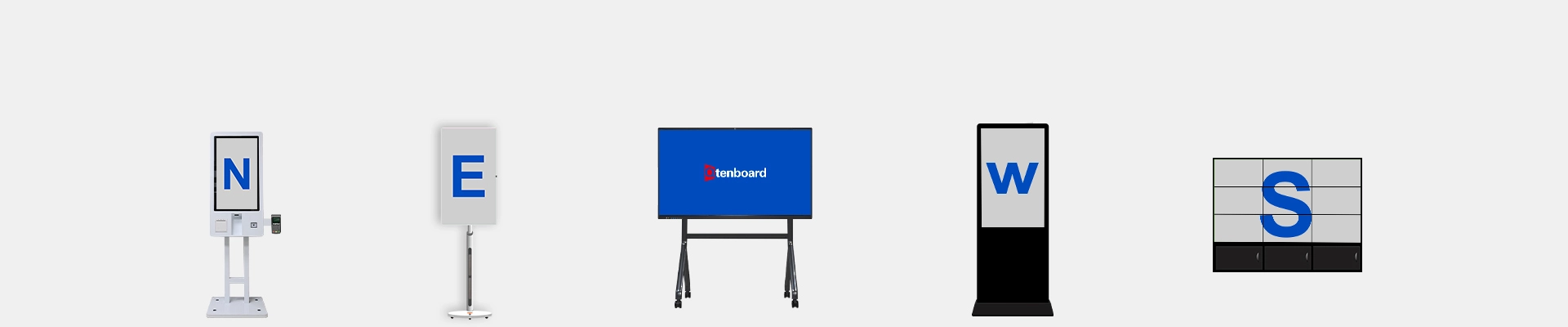
In today’s fast-paced, visually noisy world, traditional static billboards and printed posters are no longer enough to attract attention and communicate messages effectively. Whether you’re running a retail business, a restaurant, a university campus, a transportation hub, or any environment with high foot traffic, outdoor digital signage has become one of the most powerful tools available for modern communication and advertising.
Outdoor digital signage for sale isn’t just about putting a screen outside—it’s about delivering dynamic content, real-time updates, and engaging visuals that capture attention and influence behavior. Businesses and organizations can instantly update promotions, display alerts, stream live feeds, and customize messaging for time, place, or audience. This is why outdoor digital signage is now seen as a strategic investment—not just a piece of hardware.
This guide explains everything you need to know before buying outdoor digital signage: what it is, how it compares with traditional options, key benefits, how to choose the right system, product types worth considering, best use cases, content strategies, a detailed FAQ, and a helpful conclusion.
Outdoor digital signage refers to electronic display systems designed specifically for outdoor environments. Unlike indoor screens, these displays are built to:
Outdoor digital signage systems typically include:
Outdoor displays can show videos, animations, images, text, live feeds (such as news or social media), maps, wayfinding info, emergency alerts, and more. They are widely used across industries because they are attention-grabbing, flexible, and measurable.
| Feature | Outdoor Digital Signage | Traditional Signage |
|---|---|---|
| Content Updates | Remote digital updates | Manual reprinting |
| Engagement | High (motion, dynamic) | Static, low |
| Real-Time Messaging | Yes | No |
| Multimedia Support | Video, animation, live data | None |
| Cost Over Time | Lower maintenance | High recurring print costs |
| Interactivity | Possible (touch, QR codes) | None |
| Analytics | Available | None |
| Audience Targeting | Yes | No |
| Flexibility | High | Low |
Conclusion: Outdoor digital signage delivers significantly more flexibility, engagement, and return on investment compared to traditional static signage. It enables marketers to respond to real-world conditions instantly, tailor messages, and track performance.
Outdoor digital signage uses brightness, motion, and vibrant visuals that naturally attract the eye. Research indicates that dynamic displays significantly improve message recall compared to static posters.
Need to promote a flash sale? Display emergency alerts? Update menus based on weather? Outdoor signage makes all of that possible with instant remote updates.
While the initial purchase cost for outdoor digital signage is higher than printed signs, over time the savings on printing, installations, and labor make it cost-efficient.
Displays can show wayfinding maps, customer instructions, event schedules, or interactive content, improving the user experience.
When paired with analytics software, outdoor digital signage provides insights into view counts, interaction rates, and content performance—helping you refine and optimize messaging.
High-quality outdoor displays reinforce brand visibility and can elevate the perceived professionalism and modernity of a business.
Choosing the right outdoor signage involves understanding your use case, environment, and content strategy. Here’s what to consider:
For outdoor use, brightness is critical. Look for displays with:
Higher brightness ensures readability even in bright daylight.
Outdoor signage should withstand elements:
Commercial outdoor screens have ruggedized enclosures with thermal management systems to avoid overheating or condensation.
Choose based on viewing distance and environment:
Higher resolution is especially important for text clarity and detailed graphics.
A strong CMS should allow:
Cloud-based systems offer the most flexibility for schools, retail, multi-site businesses, and franchises.
Reliable network connections matter:
Redundant connectivity ensures your screens stay updated even if one network fails.
Some outdoor solutions support:
These features increase engagement and provide interactive experiences.
If measurement matters, look for systems offering:
Analytics help refine strategy over time.
Make sure your purchase includes:
Good support ensures uptime and peace of mind.
Here’s a breakdown of common outdoor signage options you might consider for sale:
Perfect for store fronts, building facades, campuses, and street-side advertising. These are high-brightness LCD or LED screens designed to deliver crystal-clear messaging from a distance.
Best For:
Floor-standing units located along walkways, plazas, or lobbies. These often support interactivity via touch or QR codes and can act as wayfinding stations, event guides, or informational hubs.
Best For:
Modular panels that combine into large screens for stadiums, event venues, public squares, or commercial complexes. With high brightness and seamless visuals, LED walls create immersive experiences.
Best For:
Used primarily in drive-through restaurants, cafés with outdoor seating, or roadside eateries. These displays make it easy to update menus, prices, and promotions in real time.
Best For:
Large outdoor signs at bus stops, metro stations, or campuses can show real-time schedules, maps, and notifications to help people get around efficiently.
Best For:
Touch-enabled screens allow users to interact directly with content. Useful for directories, event check-ins, and public engagement.
Best For:
Outdoor signage can be used across many industries and environments. Here are some examples:
Outdoor digital signage helps stores attract foot traffic and promote sales:
Retailers often see increased footfall and higher conversion rates with dynamic content.
Restaurants use outdoor displays to:
This leads to faster decisions and increased sales.
At train stations, bus terminals, and airports:
Real-time updates are critical in these environments.
Schools, colleges, and universities use outdoor digital signage to:
These systems enhance communication and safety.
Hotels, resorts, and event venues use outdoor displays to:
Dynamic boards improve guest experience and revenue opportunities.
Municipalities deploy outdoor signage to:
These improve civic communication and community engagement.
Creating great outdoor digital signage content is half the battle. Use these best practices:
Outdoor viewers often only glance at screens. Use short headlines, minimal text, and clear visuals.
In bright outdoor environments, high contrast improves readability. Use bold fonts and contrasting color schemes.
Animated content grabs attention more effectively than static images.
Display different content based on:
Contextual content feels more relevant to viewers.
Examples:
If your display supports analytics, track which content performs best and refine over time.
Outdoor digital signage for sale isn’t just a flashy tech toy—it’s a strategic investment that transforms how organizations communicate. Compared to traditional signage, outdoor digital displays offer dynamic content, instant updates, wide visibility, and measurable engagement.
Whether you’re in retail, food service, transportation, education, hospitality, or public spaces, outdoor digital signage can enhance visibility, improve communication, and drive action. By choosing a solution with the right brightness, durability, CMS features, and interactive capabilities, you set your organization up for success.
For anyone looking to buy outdoor digital signage, evaluate your environment, content needs, and long-term goals. With smart planning and great content, outdoor digital signage becomes a powerful communication engine that boosts engagement, increases revenue, and creates unforgettable audience experiences.
Outdoor digital signage isn’t just a screen—it’s a dynamic window to your brand and message.
Product Video
 UKR
UKR
 EN
EN  RU
RU  ARM
ARM  LAV
LAV  BEL
BEL  EST
EST  AZE
AZE